What Is a Tailor’s Bunion?
Most people know a bunion as the bump that develops near the big toe. But when a similar bump appears on the opposite side of the foot, near the little toe, it may be a tailor’s bunion, also called a bunionette.
CALL TODAY!

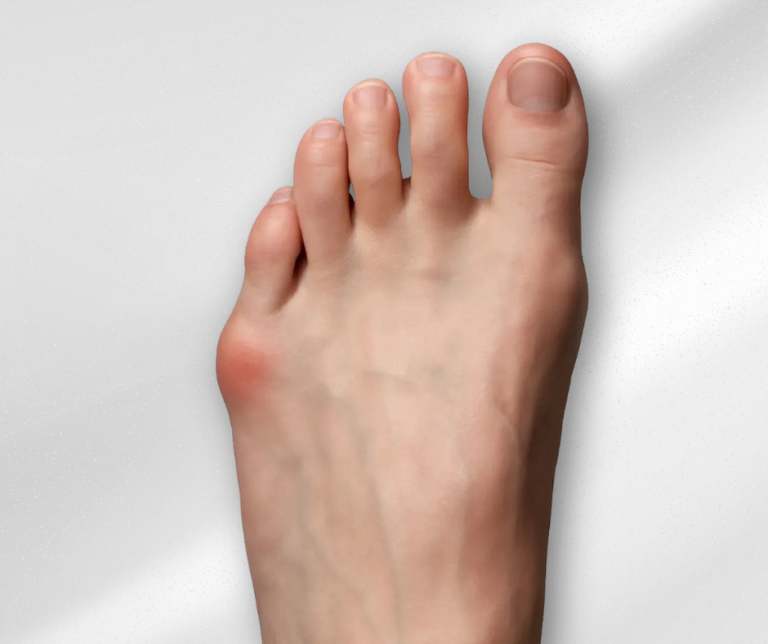
Most people know a bunion as the bump that develops near the big toe. But when a similar bump appears on the opposite side of the foot, near the little toe, it may be a tailor’s bunion, also called a bunionette.
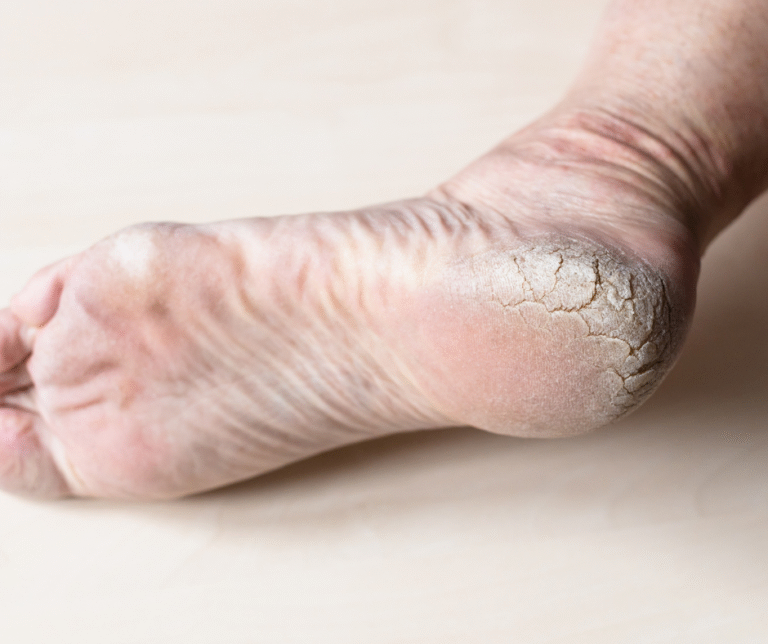
Tucson’s dry climate can be tough on your skin, and the heels often take the brunt of it. What begins as a rough patch around the edge of the heel can deepen into painful cracks that make every step uncomfortable.
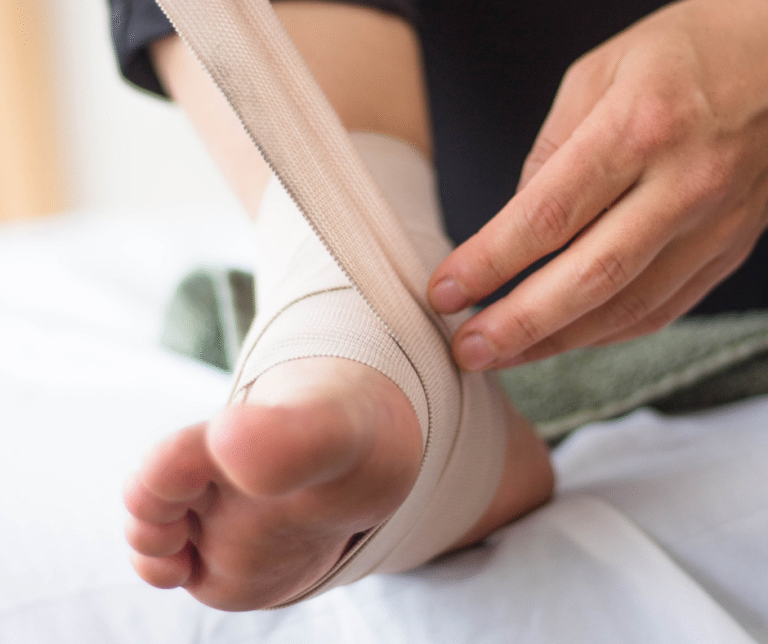
A puncture wound may look small on the surface, but a sharp object can push dirt, bacteria, or foreign material deep into the foot. Proper cleaning and timely evaluation can help reduce the risk of infection and other complications.
Arizona offers incredible hiking opportunities, especially as temperatures begin to cool. However, rocky trails, uneven terrain, heat, and sudden increases in activity can place significant stress on your feet and ankles.
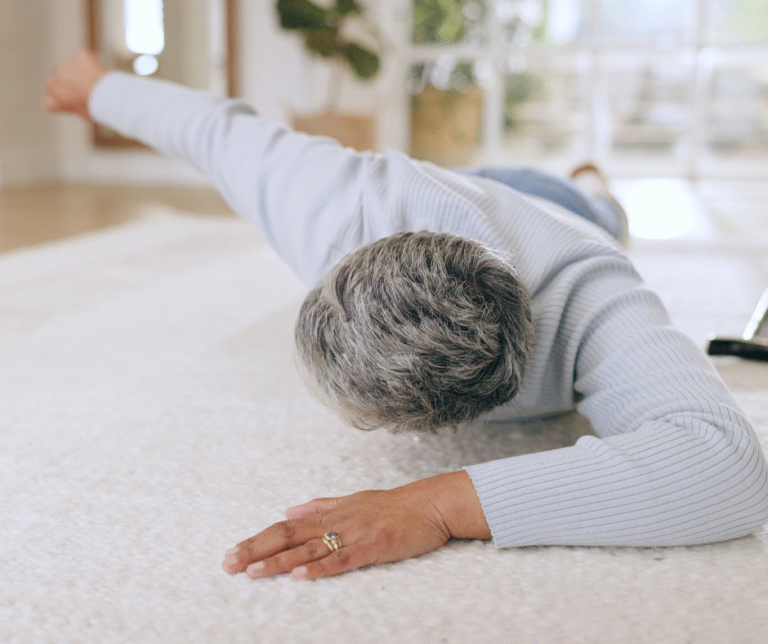
September’s focus on fall prevention is a useful reminder that staying steady often starts with the feet, especially for older adults in Arizona. At Desert Podiatric Medical Specialists, our Tucson podiatrists help patients identify foot and ankle problems that may affect the way they stand, walk, and move.
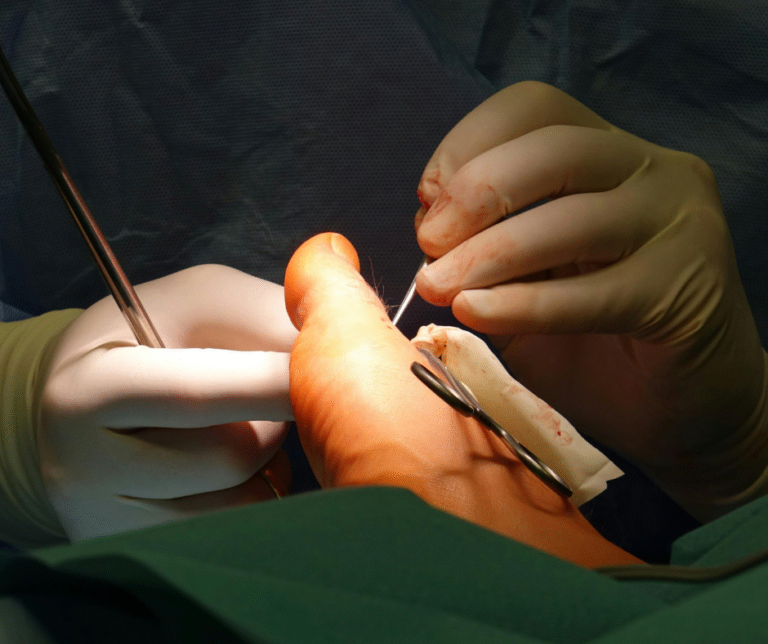
Foot surgery is not the first step for most foot and ankle problems. In many cases, podiatrists begin with conservative treatments such as rest, medication, physical therapy, footwear changes, or custom orthotics. Surgery may become appropriate when those treatments do not provide enough relief, conditions continue to worsen, or an injury requires surgical repair.
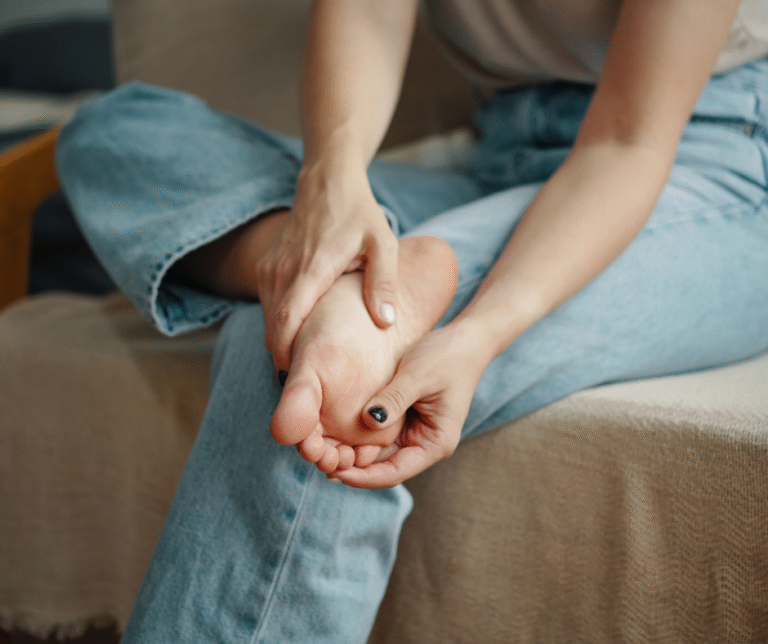
Every step puts pressure on the ball of your foot, but walking should not leave you with sharp, burning, or aching pain. When discomfort develops beneath the toes or across the forefoot, it may point to anything from overuse to an underlying foot condition.

Your child finishes soccer practice complaining that the back of the heel hurts. The pain improves with rest, then returns after the next game or practice. In active, growing children, this pattern may point to Sever’s disease, one of the most common causes of pediatric heel pain.
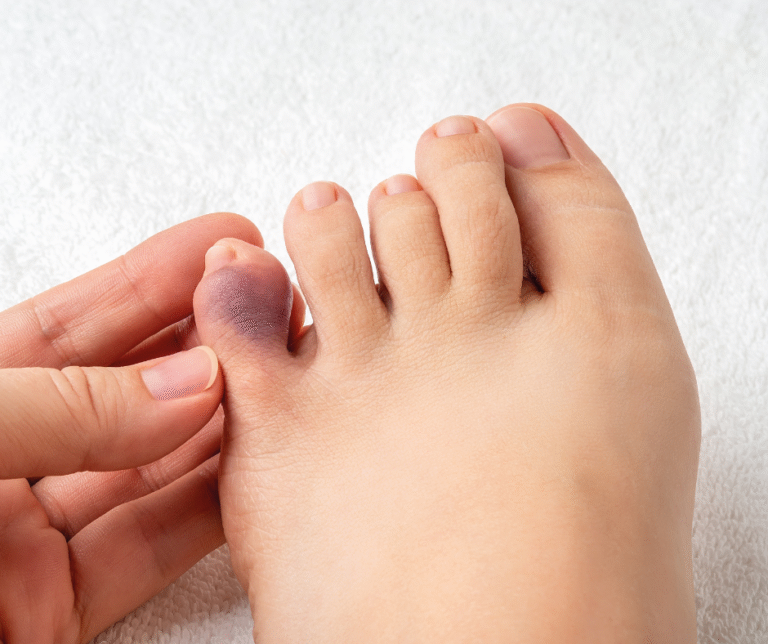
A stubbed, twisted, or crushed toe can make you wonder whether it is broken. Because fractures and sprains share many symptoms, the difference is not always obvious. Desert Podiatric Medical Specialists explains what to look for and when a toe injury needs professional care.

When people think about poor posture, they usually picture neck pain, backaches, or sore shoulders. But did you know your posture can also affect your feet? The way you stand, walk, and distribute your weight influences every joint from your hips to your toes. Over time, poor posture can place extra stress on your feet, increasing your risk of pain and injury.

Walking is one of the best ways to stay active, but even the most comfortable pair of shoes won’t last forever. Over time, the cushioning and support that protect your feet gradually wear down, even if the outside of your shoes still looks fine.

Standing desks have become a popular way to reduce sitting and encourage movement throughout the workday. While they can be a healthy addition to your office, standing for long periods without enough breaks can place extra stress on your feet. If you’ve recently switched to a standing workstation and have started noticing foot discomfort, your desk setup may be playing a role.
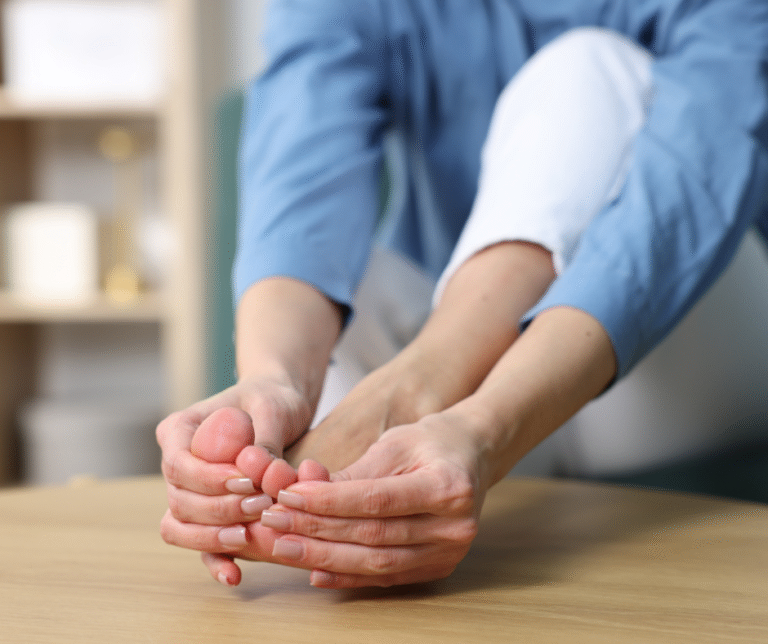
If you’ve ever experienced a sudden toe cramp, you know how painful and surprising it can be. Many people assume dehydration is always the cause, but that’s not necessarily true. If you’re drinking plenty of water and still dealing with frequent toe cramps, there may be another underlying issue that deserves attention.

Whether you’re boarding a cross-country flight or heading out on an Arizona road trip, spending hours sitting in one position can leave your feet and ankles swollen by the time you reach your destination.

You did not twist your ankle. You do not remember a specific injury. Yet every time you walk, run, or stand for too long, the pain seems to get worse. Many people assume stress fractures only happen to serious athletes, but these small cracks in the bone can affect anyone.

Have you ever stepped off a curb or walked across uneven ground and felt your ankle suddenly give way? Frequent ankle sprains may seem like bad luck, but they often signal an underlying problem. Chronic ankle instability can affect people of all ages and increase the risk of future injuries.

Arizona summers are already hot enough, but if you notice your feet sweating far beyond normal levels, it may be a sign of an underlying issue.

Calluses and corns are common foot problems, especially for people who spend long hours standing, wear tight shoes, or have certain foot deformities. While these thickened areas of skin may seem harmless, trying to remove them at home can sometimes lead to painful complications.
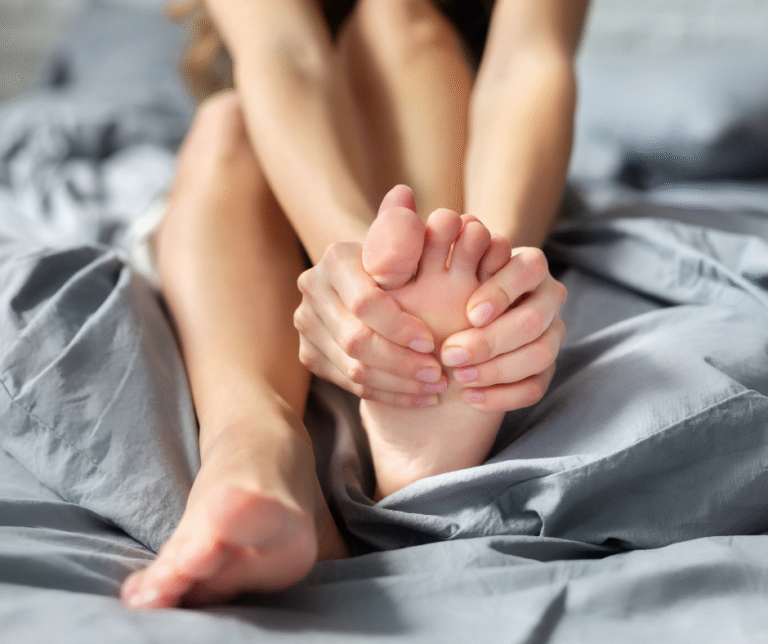
Many people notice foot pain most intensely when they take their first few steps out of bed in the morning. While the discomfort may improve as the day goes on, recurring morning foot pain is often a sign that something more serious is happening beneath the surface. Conditions like plantar fasciitis, arthritis, tendon inflammation, and nerve irritation can all contribute to pain that feels worse after periods of rest.

If you have ever heard of carpal tunnel syndrome in the wrist, you already understand the basic concept of tarsal tunnel syndrome. Instead of your hand, this condition affects your foot, where the posterior tibial nerve, which runs along the inside of your ankle, gets squeezed or compressed. We at Desert Podiatric Medical Specialists are going to break down why this is a problem and what symptoms it causes.
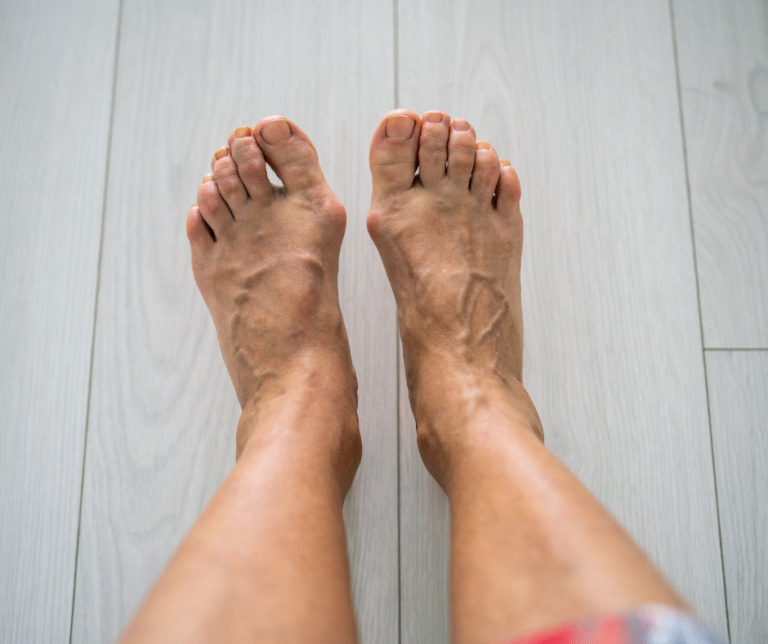
Last week, we at Desert Podiatric Medical Specialists wrote about the safety level of foot surgery for seniors. Today, we’re staying on the topic of foot surgery and tackling one of the geriatric world’s other big (toe) questions: when is bunion surgery, specifically, necessary? If you have been living with a bony bump at the base of your big toe for years and it’s finally starting to bug you, there comes a point where a bunionectomy becomes the best path to a pain-free life.

Think about it: high heat and humidity can do a number on your feet. From blisters to fungal infections, keeping your feet cool and protected is the key to a comfortable workout outdoors, whether you’re a casual stroller or a dedicated marathon runner.

From viral TikTok challenges to the latest recovery gadgets, there is always a new way to optimize your body. But while these trends might look great in a thirty-second clip, our patients’ feet at Desert Podiatric Medical Specialists often tell a different story. If you are looking to separate the helpful habits from the harmful fads, here is a breakdown of what we podiatrists love and hate.

As kids constantly move from gym class to team sports, ingrown toenails are one of the most common complaints we at Desert Podiatric Medical Specialists get. The good news? Most ingrown toenails in children are completely preventable with a few simple changes to their footwear and a little home economics on how to trim their nails.

You might love the classic, retro look of a high-top or the sleek, athletic profile of a low-top. But beyond the aesthetic, the height of your shoe plays a major role in how your feet and ankles function. Whether you are walking the streets or hitting the gym, we at Desert Podiatric Medical Specialists are here to teach you the mechanical trade-offs between these two styles.
Valentine’s Day is all about the people you love, and that includes yourself. Since your feet are the things that actually carry you throughout the day, we at Desert Podiatric Medical Specialists wonder if you’ve been taking care of them. Here are 4 signs that you are treating your feet right and that they are in peak condition.
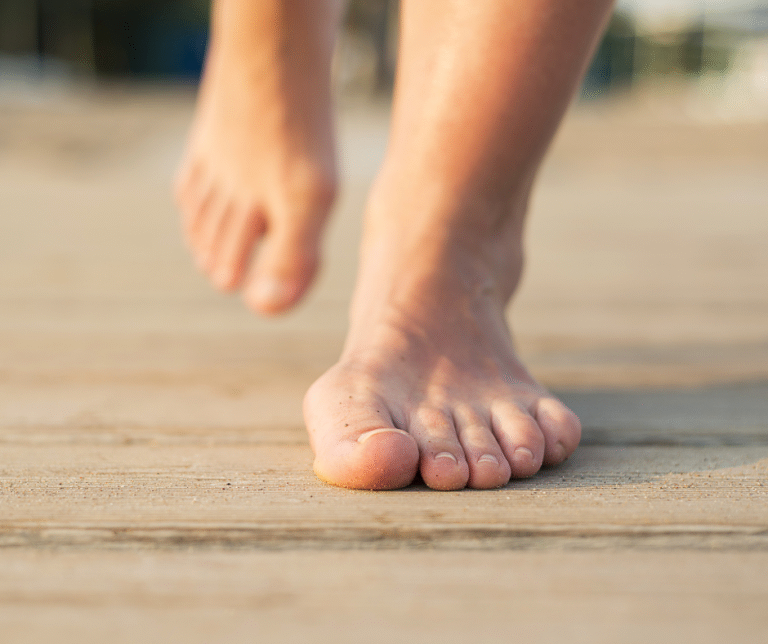
It’s officially Heart Awareness Month, and we at Desert Podiatric Medical Specialists are pumped to share everything we know about your feet and circulation. Here’s something to be aware of: feet can signal cardiovascular issues in much more subtle ways that have nothing to do with fluid retention. In fact, there’s one sign that often goes unnoticed: missing toe hair.
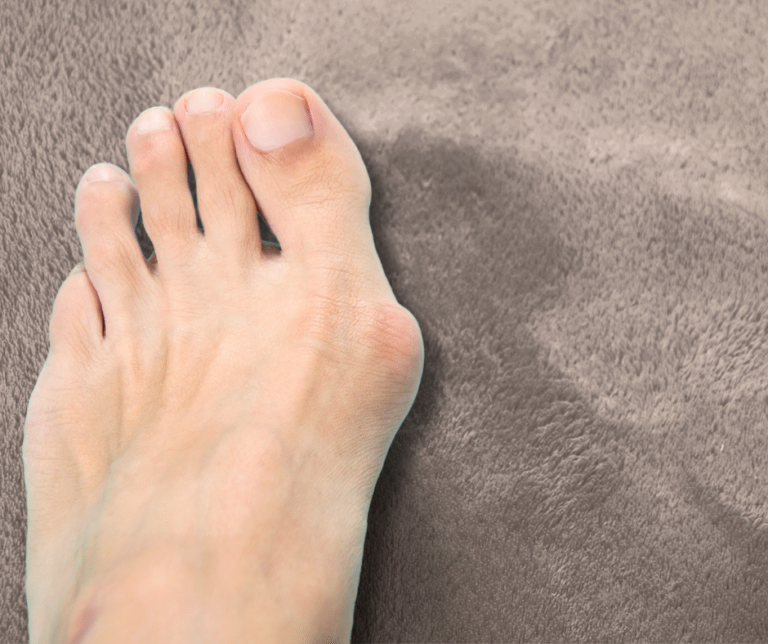
Bunions probably make you picture an older woman who spent years and years squeezed into stilettos. While high heels certainly don’t help, they aren’t the only cause of that bony bump on the side of your foot. The truth is that bunions show up on much younger feet, on athletes, and even on people who have never touched a pair of heels in their lives. We at Desert Podiatric Medical Specialists explain the reasons below.

For anyone experiencing tingling, burning, or numbness in their feet, the specific cause of that damage changes everything for how we at Desert Podiatric Medical Specialists approach your treatment. Let’s explore the common differences between diabetic and non-diabetic neuropathy.

As we at Desert Podiatric Medical Specialists settle into the first weeks of 2026, many of us have already mapped out our goals for the year. Whether you are aiming to hit a new step count, join a local hiking group, or improve your overall wellness, there is one part of your body that will determine your success more than any other: your feet.
End of content
End of content