What Is a Tailor’s Bunion?
Most people know a bunion as the bump that develops near the big toe. But when a similar bump appears on the opposite side of the foot, near the little toe, it may be a tailor’s bunion, also called a bunionette.
CALL TODAY!

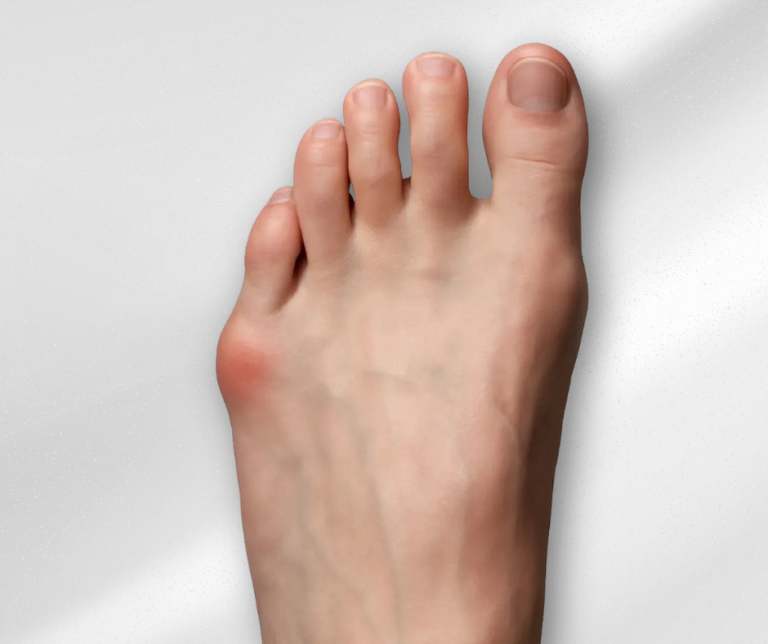
Most people know a bunion as the bump that develops near the big toe. But when a similar bump appears on the opposite side of the foot, near the little toe, it may be a tailor’s bunion, also called a bunionette.
Arizona offers incredible hiking opportunities, especially as temperatures begin to cool. However, rocky trails, uneven terrain, heat, and sudden increases in activity can place significant stress on your feet and ankles.

Every step puts pressure on the ball of your foot, but walking should not leave you with sharp, burning, or aching pain. When discomfort develops beneath the toes or across the forefoot, it may point to anything from overuse to an underlying foot condition.

Your child finishes soccer practice complaining that the back of the heel hurts. The pain improves with rest, then returns after the next game or practice. In active, growing children, this pattern may point to Sever’s disease, one of the most common causes of pediatric heel pain.

When people think about poor posture, they usually picture neck pain, backaches, or sore shoulders. But did you know your posture can also affect your feet? The way you stand, walk, and distribute your weight influences every joint from your hips to your toes. Over time, poor posture can place extra stress on your feet, increasing your risk of pain and injury.

Walking is one of the best ways to stay active, but even the most comfortable pair of shoes won’t last forever. Over time, the cushioning and support that protect your feet gradually wear down, even if the outside of your shoes still looks fine.

Calluses and corns are common foot problems, especially for people who spend long hours standing, wear tight shoes, or have certain foot deformities. While these thickened areas of skin may seem harmless, trying to remove them at home can sometimes lead to painful complications.
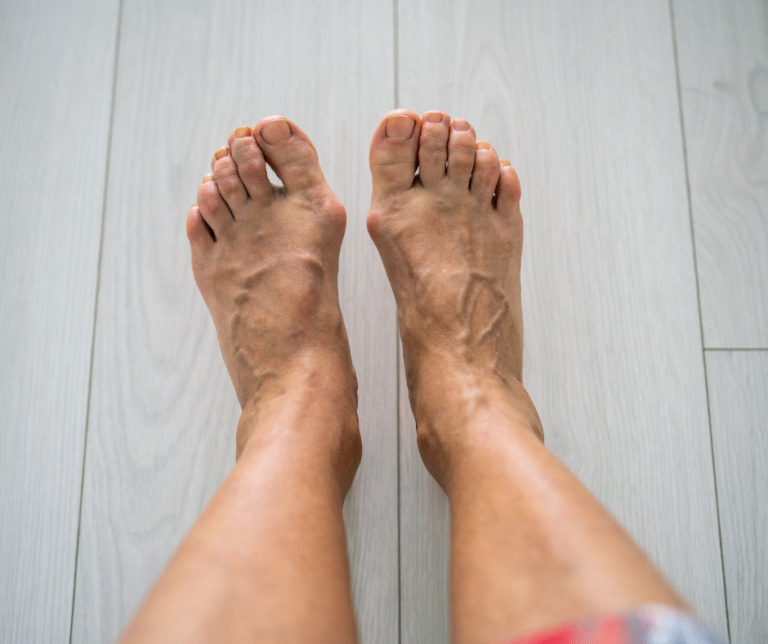
Last week, we at Desert Podiatric Medical Specialists wrote about the safety level of foot surgery for seniors. Today, we’re staying on the topic of foot surgery and tackling one of the geriatric world’s other big (toe) questions: when is bunion surgery, specifically, necessary? If you have been living with a bony bump at the base of your big toe for years and it’s finally starting to bug you, there comes a point where a bunionectomy becomes the best path to a pain-free life.

As kids constantly move from gym class to team sports, ingrown toenails are one of the most common complaints we at Desert Podiatric Medical Specialists get. The good news? Most ingrown toenails in children are completely preventable with a few simple changes to their footwear and a little home economics on how to trim their nails.

You might love the classic, retro look of a high-top or the sleek, athletic profile of a low-top. But beyond the aesthetic, the height of your shoe plays a major role in how your feet and ankles function. Whether you are walking the streets or hitting the gym, we at Desert Podiatric Medical Specialists are here to teach you the mechanical trade-offs between these two styles.

Valentine’s Day is all about the people you love, and that includes yourself. Since your feet are the things that actually carry you throughout the day, we at Desert Podiatric Medical Specialists wonder if you’ve been taking care of them. Here are 4 signs that you are treating your feet right and that they are in peak condition.
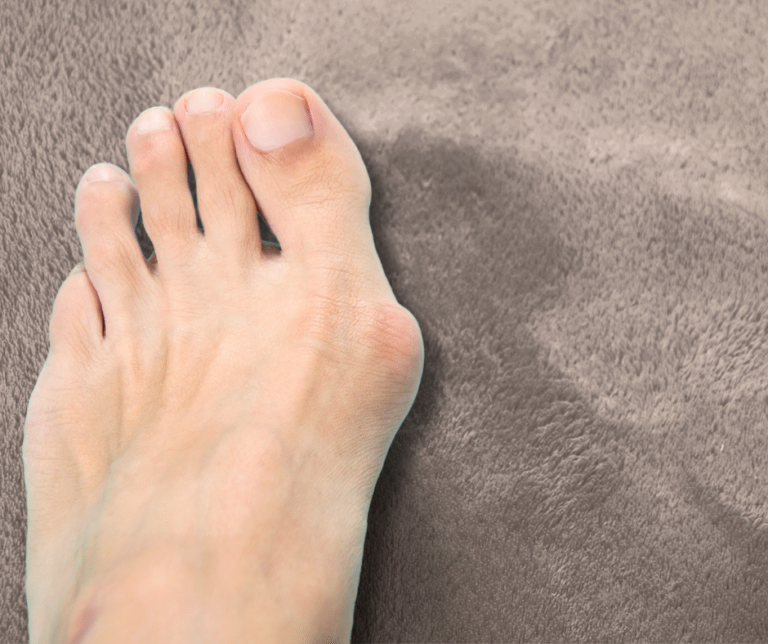
Bunions probably make you picture an older woman who spent years and years squeezed into stilettos. While high heels certainly don’t help, they aren’t the only cause of that bony bump on the side of your foot. The truth is that bunions show up on much younger feet, on athletes, and even on people who have never touched a pair of heels in their lives. We at Desert Podiatric Medical Specialists explain the reasons below.

For anyone experiencing tingling, burning, or numbness in their feet, the specific cause of that damage changes everything for how we at Desert Podiatric Medical Specialists approach your treatment. Let’s explore the common differences between diabetic and non-diabetic neuropathy.

Most people worry about their lower back or their neck during a long haul, but your feet are actually the ones doing the heavy lifting. Here are the effects we at Desert Podiatric Medical Specialists have seen long-distance driving has on your feet.
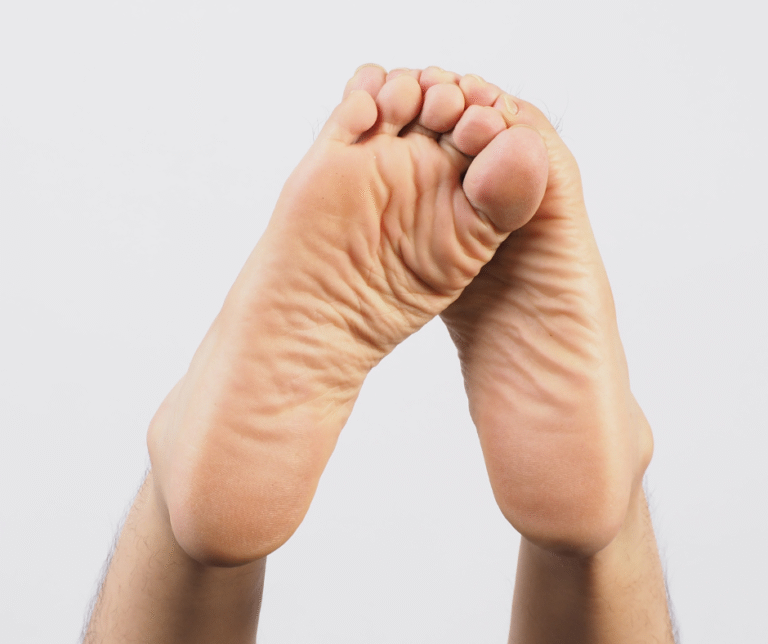
We at Desert Podiatric Medical Specialists don’t just see grandparents coming in with joint inflammation. In the world of feet and ankles, arthritis is a massive, diverse beast that strikes people of all ages.
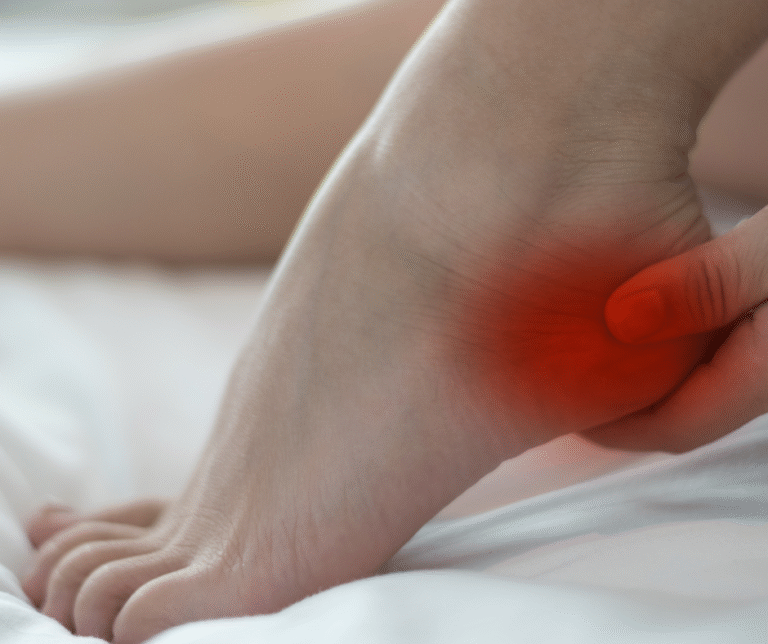
If you’ve been battling that awful, sharp stabbing pain in your heel no matter what you do, you’ve probably wondered if surgery is the only way to make it stop. Plantar fasciitis is notorious for being stubborn, but here’s the most reassuring fact you need to know: surgery is the last resort here at Desert Podiatric Medical Specialists.
Between long travel times, hours spent standing in the kitchen, and indulging in rich foods, your feet are facing a unique set of risks. Here’s what to avoid to make your Thanksgiving as painless as possible, courtesy of the experts at Desert Podiatric Medical Specialists.
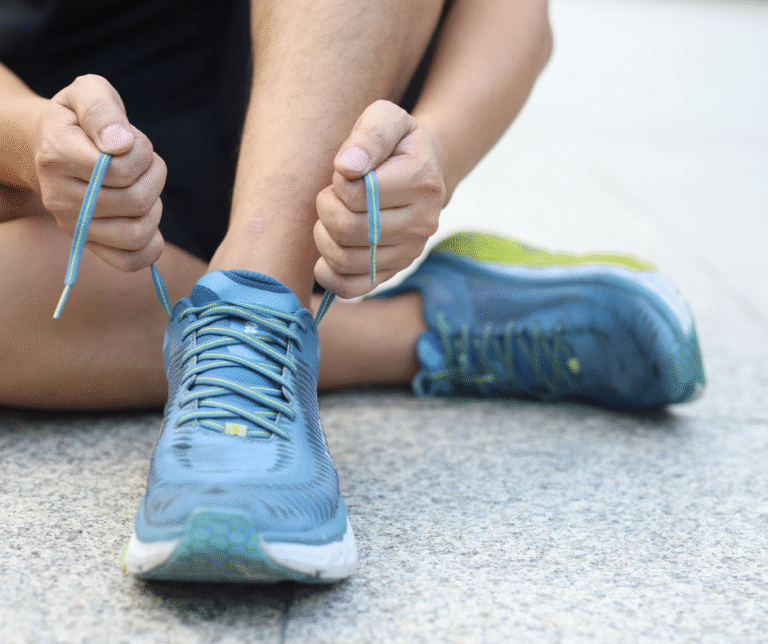
Being an athlete with diabetes helps manage the condition, but it also can make your foot problems worse if you’re not paying attention to your feet. At Desert Podiatric Medical Specialists, we help our diabetic athletes see both sides of the spectrum, so that they remain empowered yet cautious.

Whether you’ve just been diagnosed with diabetes or are working to manage your health, we at Desert Podiatric Medical Specialists need you to know that the feet are one of the first places your body sends warning signals.

When you visit your podiatrist, you might wonder if an X-ray is really necessary. The short answer is: sometimes, it’s the only way to truly know what’s going on beneath the surface of your skin. X-rays are a fast, accurate tool we use in the office at Desert Podiatric Medical Specialists. Today, we’re giving you a clear look into how X-rays give us a clear look.

In the spirit of Halloween, we at Desert Podiatric Medical Specialists figured we’d share 5 truly rare foot and ankle issues that very few people have experienced.

When we think of foot injuries, we often picture a simple sprain or a broken toe from stubbing it. But some traumas we at Desert Podiatric Medical Specialists treat are more crushing… literally.

Pigeon toes, or in-toeing, is one of the most common gait patterns we see in kids. At Desert Podiatric Medical Specialists, we meet parents every week who are worried about tripping, shoes wearing out unevenly, or classmates making comments.

At Desert Podiatric Medical Specialists, we see shoe-related pain every day, and the fix often starts with a few simple checks you can do at home.

Physical therapy is a treatment we at Desert Podiatric Medical Specialists recommend to our patients to recover from various foot and ankle conditions. But did you know that you can do these exercises from the comfort of your own home?

Peripheral Artery Disease is a full-body circulation issue in which the blood flow to your legs and feet is weakened due to plaque buildup. We at Desert Podiatric Medical Specialists figured we’d tell you that, since it is National Peripheral Artery Disease Awareness Month.

It’s National Falls Prevention Month, so what better time for us at Desert Podiatric Medical Specialists to provide an ultimate list of ways to avoid tripping? We’ve broken our advice into 3 main categories: footwear, home, and body.

Almost everyone has twisted or rolled their ankle at some point. For most, the pain and swelling fade away, and life returns to normal. But for others, their initial sprain lingers… and never quite goes away.

A stress fracture isn’t a sudden, dramatic break like you’d get from a fall. It’s a much more subtle injury: a tiny, hairline crack in a bone that develops gradually over time. But because it starts small, it’s one of the easiest to ignore foot and ankle issues we at Desert Podiatric Medical Specialists treat.

If you’ve been dealing with persistent foot or ankle pain that just won’t go away, you might be a good candidate for our modern, non-invasive treatment called Radial Pulse Therapy (RPT). We at Desert Podiatric Medical Specialists have seen this special form of extracorporeal shockwave therapy (ESWT) be a game-changer for chronic pain.
End of content
End of content