High-Tops vs. Low-Tops: Finding the Right Fit for Your Feet
You might love the classic, retro look of a high-top or the sleek, athletic profile of a low-top. But beyond the aesthetic, the height of your shoe plays a major role in how your feet and ankles function. Whether you are walking the streets or hitting the gym, we at Desert Podiatric Medical Specialists are here to teach you the mechanical trade-offs between these two styles.
High-Tops and The Illusion of Support
The biggest selling point for high-tops has always been ankle support. Because the material wraps up over the ankle bones, many people assume they are safer for sports or uneven terrain.
The Advantages
High-tops provide what podiatrists call proprioceptive feedback. Because the fabric is touching your ankle, it sends more signals to your brain about where your foot is in space. This can help you react faster if you start to roll your ankle.
Additionally, they provide excellent protection against external trauma, such as getting kicked or scraped.
The Disadvantages
Here is the catch: most high-tops don’t actually prevent an ankle sprain. Unless they are laced extremely tight, the material isn’t strong enough to stop a high-velocity roll.
In fact, by bracing the ankle, some high-tops can cause your lower leg muscles to become a bit lazy over time because the shoe is doing the stabilizing work for them.
Low-Tops
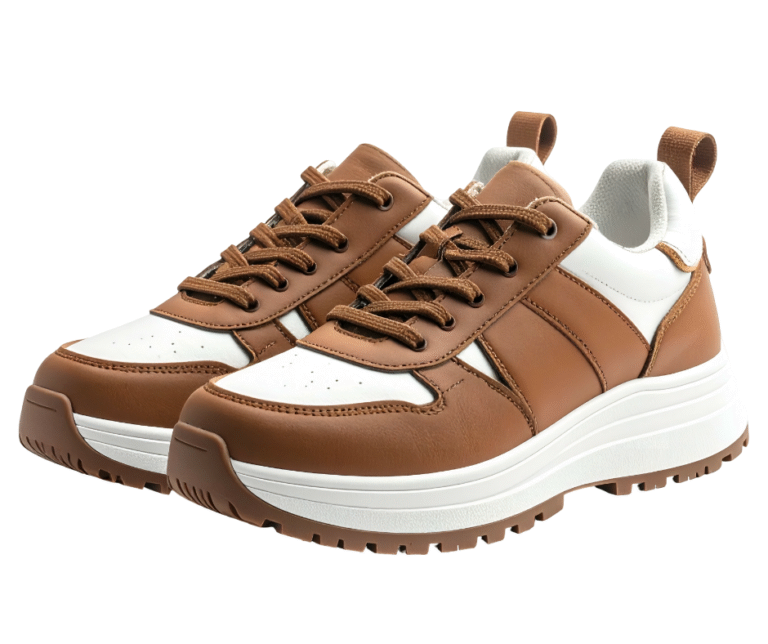
Low-top sneakers are the standard for most daily activities, and for good reasons. They are lighter, more flexible, and allow for a natural range of motion.
The Advantages
Low-tops allow your ankle to move through its full range of motion. This is important for athletics, where your foot needs to flex and pivot without restriction.
Because the shoe doesn’t provide a crutch for your ankle, the muscles and tendons around your joint have to work harder to keep you stable, which actually strengthens your foundation over time.
The Disadvantages
The obvious downside is the lack of physical protection. Your ankles are completely exposed to the elements and potential bumps.
Furthermore, if you have chronic ankle instability or loose ligaments, a low-top provides zero feedback, which makes it much easier to suffer a sudden roll if you step on a stray rock or an uneven sidewalk crack.
Which One Should You Choose?
The best shoe depends entirely on what you’re doing. If you are playing a sport with lots of lateral movement, the feedback from a high-top is a great asset. But, if you are going for a long walk or a run, the lightweight freedom of a low-top is usually the better choice for your mechanics.
If you’re experiencing foot pain, discomfort, or changes in how you walk, come see the expert team at Desert Podiatric Medical Specialists. With locations in Tucson and Oro Valley areas of Pima County, Arizona, Bradley A. Whitaker, D.P.M., FACFAS, Peter C. Merrill, D.P.M., AACFAS, and Zeno Pfau, D.P.M., are here for you. Call us at (520) 575-0800 or contact us online!