How Obesity Contributes to Fat Pad Atrophy
Our feet naturally thin over time, which is one of many reasons why custom orthotics, especially amongst the elderly, are so popular. Here at Desert Podiatric Medical Specialists, we’ve seen many people dealing with fat pad atrophy, including athletes. But today, we’re keying in on one group particularly at risk for deflated heels: those who carry excess weight. In this article, we’ll explore what fat pads do and the many reasons obesity is so damaging to them.
What Are Your Feet’s Fat Pads?
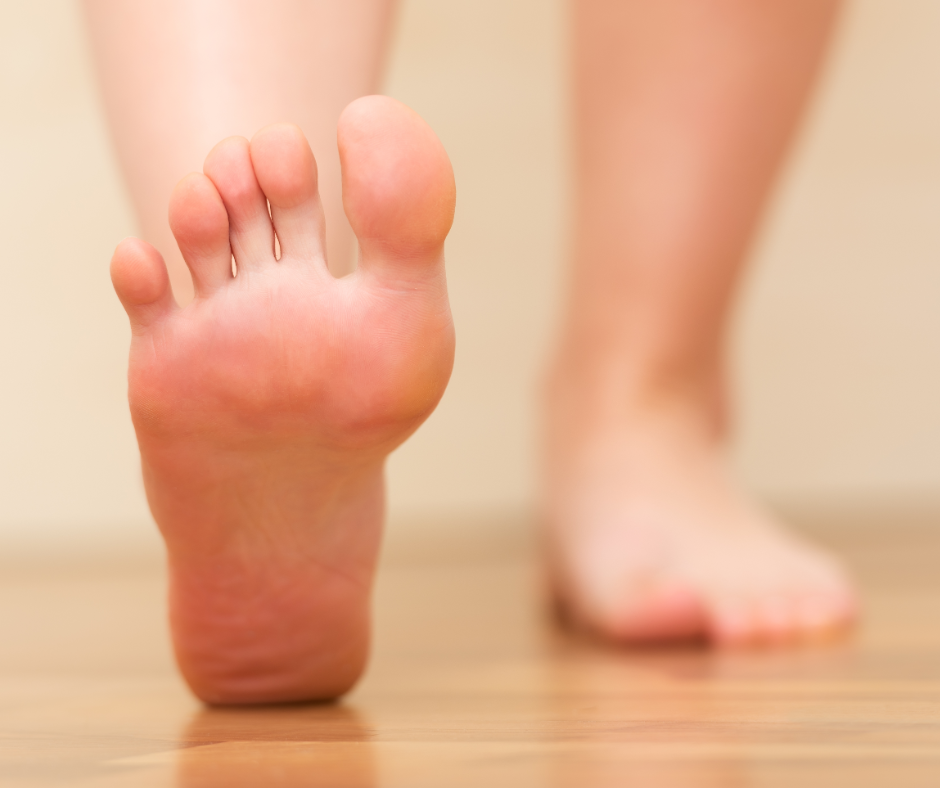
Imagine tiny, resilient gel pads packed with fat cells that are designed to help spring you back up when you walk. That’s what fat pads do. They’re strategically located under the heel bone and beneath the ball of your foot to provide cushioning and pressure distribution.
Without them, you’d feel like you’re walking directly on bones. But there’s a common way people wear them out: excess weight.
Why Obesity Causes Fat Pad Atrophy
With every step you take, the force exerted on your feet can be several times your actual body weight. For someone living with obesity, this means their foot’s natural shock absorbers are being asked to do far more work than they were designed for, day in and day out.
This sustained compression can cause the fat cells within these pads to thin out, disperse, and lose their natural elasticity. Over time, this accelerates what would normally be a very gradual, age-related thinning, leading to fat pad atrophy at a younger age or making it much more severe in older individuals.
Symptoms of Fat Pad Atrophy
The most common symptom is a deep, aching pain right in the heel or the ball of the foot, often described as feeling like you’re walking on bones or that your foot is constantly bruised.
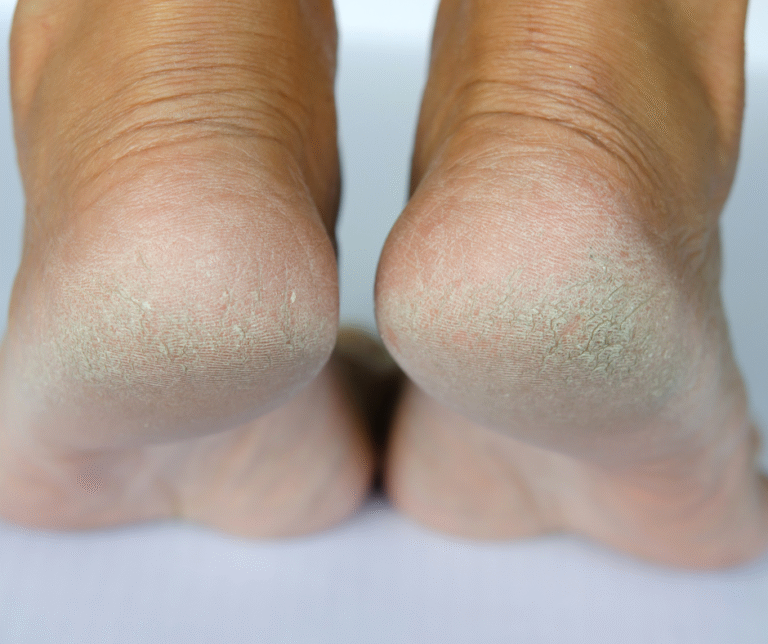
The pain worsens with standing, walking, or running, especially on hard surfaces. You might also notice increased sensitivity to pressure directly under these areas. Sometimes, your body tries to compensate for the lost padding by growing harder skin, which leads to calluses forming directly on the painful spots.
Foot Conditions Caused by Fat Pad Atrophy
Without proper cushioning, the underlying bones and joint cartilage are exposed to significantly higher impact forces. This can lead to secondary issues such as metatarsalgia, stress fractures, and accelerated wear and tear on the joint cartilage, which could lead to early onset or worsening of osteoarthritis.
This persistent pain and discomfort can then limit a person’s mobility and desire to exercise, which creates a challenging cycle that affects overall health.
If you’re experiencing foot pain, discomfort, or changes in how you walk, come see the expert team at Desert Podiatric Medical Specialists. With locations in Tucson and Oro Valley areas of Pima County, Arizona, Bradley A. Whitaker, D.P.M., FACFAS, Peter C. Merrill, D.P.M., AACFAS, and Zeno Pfau, D.P.M., are here for you. Call us at (520) 575-0800 or contact us online!