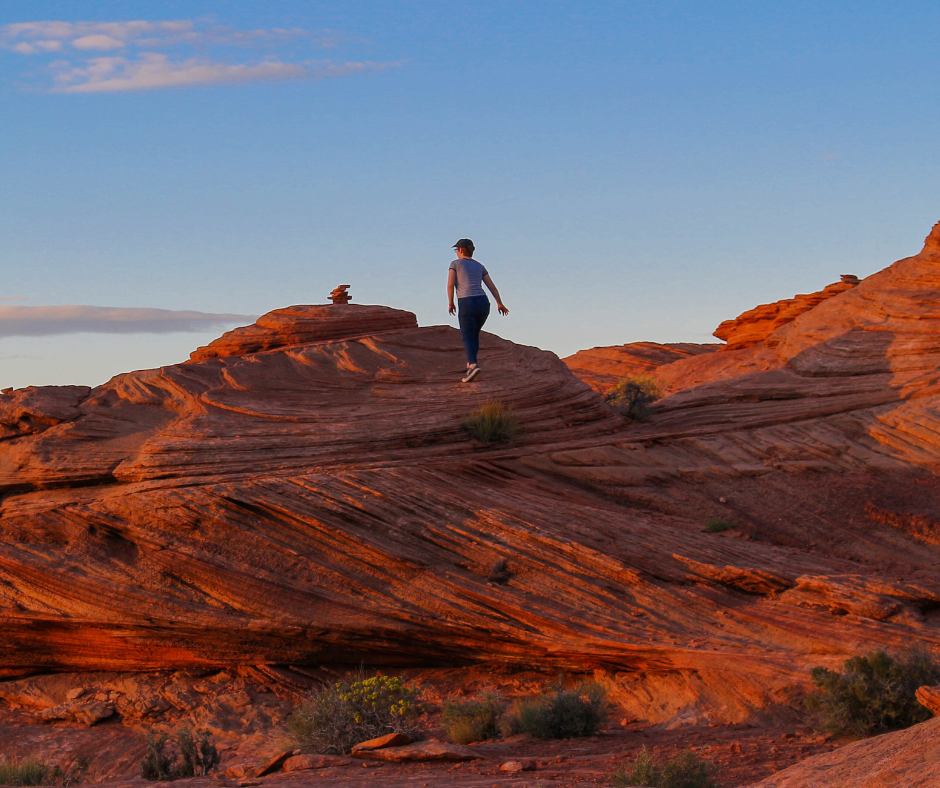
How Can You Protect Your Feet While Hiking in Arizona?
Arizona offers incredible hiking opportunities, especially as temperatures begin to cool. However, rocky trails, uneven terrain, heat, and sudden increases in activity can place significant stress on your feet and ankles.
At Desert Podiatric Medical Specialists, we help hikers throughout Tucson and Oro Valley prevent and treat foot and ankle problems that can interfere with an active lifestyle. Before heading onto the trail, take these steps to protect your feet.
1. Choose Hiking Shoes with Good Traction
Running shoes may feel comfortable, but they are not always designed for loose gravel, rocks, or steep terrain. Choose hiking shoes or boots with sturdy soles, reliable traction, and enough support for the trail.
Make sure your toes have room to move without sliding inside the shoe. Footwear that is too tight or too loose can create friction, contributing to painful foot blisters and toenail injuries.
2. Increase Your Mileage Gradually
A long hike can overload muscles, tendons, and bones when your body is not prepared for the distance. Begin with shorter routes and gradually increase mileage, elevation, and pack weight.
A sudden rise in activity can contribute to overuse injuries, including tendinitis, plantar fasciitis, and stress fractures. Our guide to stress-fracture warning signs explains why gradual pain should not be dismissed.
3. Stay Hydrated and Take Breaks
Arizona temperatures can remain high well into fall. Bring enough water, begin hydrating before the hike, and take regular breaks. Fatigue can affect your balance and make it harder to navigate uneven ground safely.
4. Prevent Blisters Before They Start
Wear moisture-wicking socks and avoid beginning a long hike in brand-new boots. Check for hot spots during breaks and cover irritated areas before they become blisters. Packing an extra pair of socks can also help if your feet become sweaty or wet.
5. Watch for Signs of an Overuse Injury
Stop and pay attention if you develop:
- Increasing or localized pain
- Swelling or bruising
- Tenderness over one specific area
- Ankle weakness or instability
- Pain that changes how you walk
Continuing to hike through these symptoms may worsen an injury. Desert Podiatric Medical Specialists provides comprehensive foot and ankle services to patients throughout Tucson, Oro Valley, and surrounding areas of Pima County, Arizona. Bradley A. Whitaker, D.P.M., FACFAS, Peter C. Merrill, D.P.M., AACFAS, and Zeno Pfau, D.P.M., are here to help you get back on your feet. Call (520) 575-0800 or contact us online if foot or ankle pain is keeping you off the trail.