Does Intermittent Fasting Improve Foot Health?
Intermittent fasting has taken the wellness world by storm, with everyone from your neighbor to high-profile athletes in Arizona skipping breakfast in the name of health. While most people use fasting for weight loss or mental clarity, you might be wondering how your eating schedule impacts your foundation. We at Desert Podiatric Medical Specialists chime in on this health trend below.
The Benefits: Reducing Systemic Inflammation
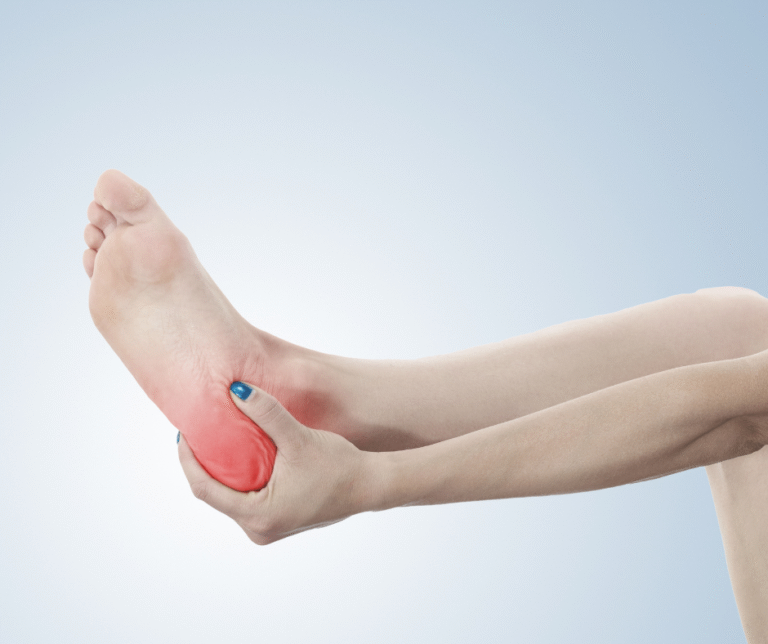
One of the biggest arguments for intermittent fasting is its ability to lower systemic inflammation. For someone struggling with chronic plantar fasciitis or ankle arthritis, this can be a massive win.
Lowering the overall inflammation in your body means the soft tissues in your feet are less likely to stay angry and swollen. Many people find that after a few weeks of a consistent fasting routine, the first few steps in the morning feel less like walking on glass and more like a normal stride.
The Risks: Nutrient Timing and Tendon Repair
The Achilles tendon requires collagen-building nutrients to stay strong. If you are fasting too aggressively or are not eating enough protein during your window, you might be starving your tendons of what they need to recover from a long walk or a workout.
If you are an active runner or spend all day on your feet, your tendons are constantly undergoing micro-trauma. To repair those small tears and prevent tendonitis, your body needs a consistent intake of amino acids and Vitamin C. If you pack all your food into a tiny four-hour window, you might not be absorbing enough nutrients to keep your internal springs elastic, which potentially increases your risk of a strain or tear.
Dehydration and Cramping
Another factor you must watch out for while fasting is your hydration and electrolyte balance. Many people forget that we get a significant portion of our water and minerals from food. When you are in a fasted state, your insulin levels drop, which causes your kidneys to flush out sodium and water more quickly.
From foot and calf cramps in the middle of the night to your calves feeling tighter than usual while fasting, it is a sign that your electrolyte levels are bottoming out.
Finding the Right Fasting Schedule for Your Feet
This March, as we celebrate National Nutrition Month, remember that your feet are the primary witnesses to your lifestyle choices. If you find that fasting makes your feet feel light and pain-free, you have likely hit the sweet spot.
But if you notice increased stiffness or recurring injuries, it may be time to reassess your timing.
If you’re experiencing foot pain, discomfort, or changes in how you walk, come see the expert team at Desert Podiatric Medical Specialists. With locations in Tucson and Oro Valley areas of Pima County, Arizona, Bradley A. Whitaker, D.P.M., FACFAS, Peter C. Merrill, D.P.M., AACFAS, and Zeno Pfau, D.P.M., are here for you. Call us at (520) 575-0800 or contact us online!