Don’t Let Peripheral Arterial Disease Surprise You
When plaque builds up in the arteries of your legs, the condition is known as peripheral artery disease (PAD). Your leg arteries supply blood from the coronary arteries that is nutrient- and oxygen-rich. A smooth inner surface on the inside of the hollow tube-like arteries keeps constant blood flow. Plaque, which is composed of fat, cholesterol, and other chemicals, slowly develops inside the walls of your arteries, causing them to gradually become narrow. With poor circulation and blockages in the arteries, your nerves tend to become damaged, resulting in PAD.
Symptoms
Mild symptoms are common in patients with peripheral artery disease.
- Some people get leg discomfort while they walk, which can vary from mild to severe discomfort.
- Muscle aches or cramps in the arms or legs that start during exertion and stop with rest.
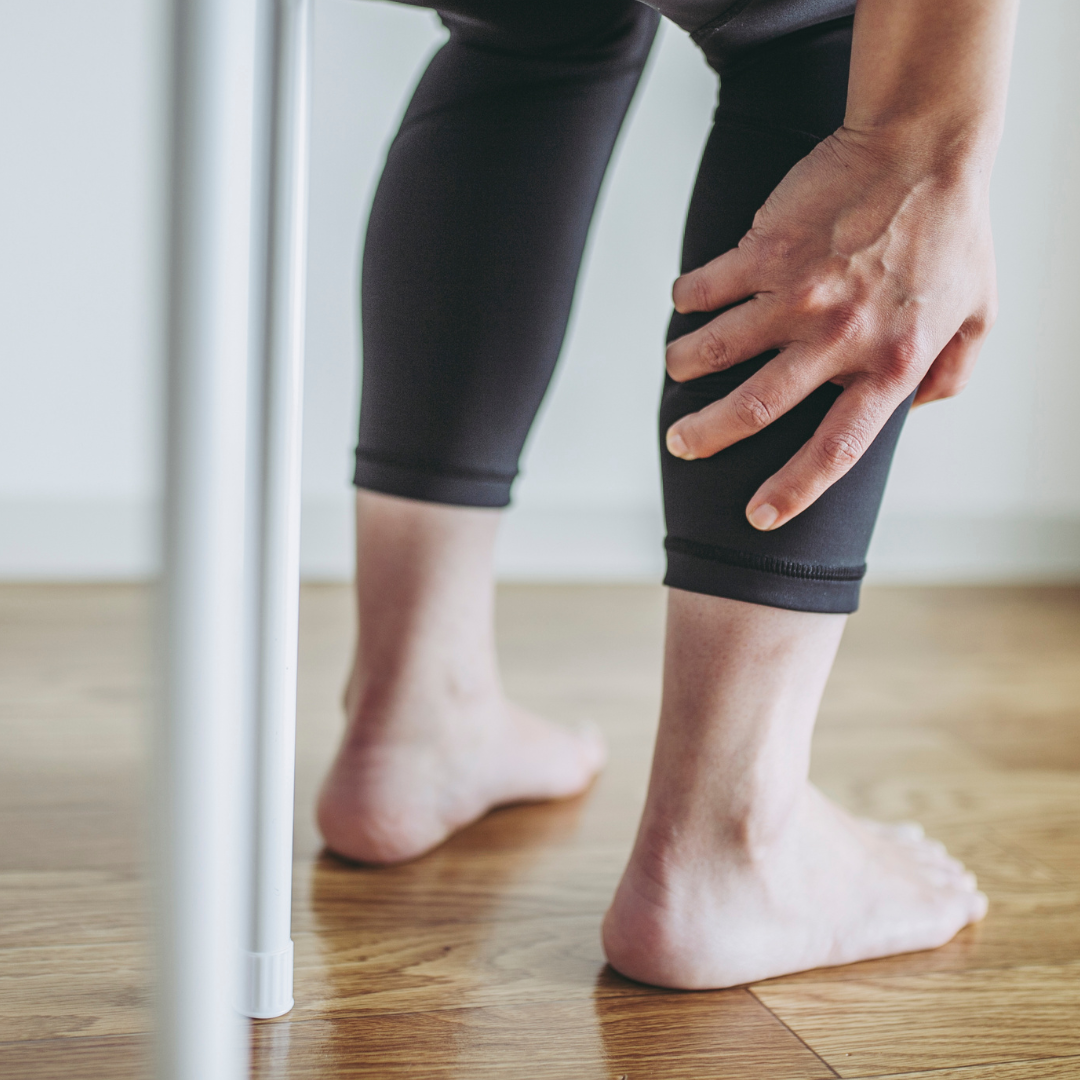
- The calf is where the discomfort is most frequently felt. It could be difficult to walk or engage in other physical activities if you have severe leg discomfort.
Other signs of peripheral artery disease are:
- Blood not being supplied to the legs properly reduces temperature. Your affected leg will be colder than the other one.
- Weakness.
- Legs or feet without a pulse or with a faint pulse.
- After engaging in specific activities, there may be sharp cramping in one or both hips, thighs, or calf muscles.
- Leg skin that is shiny and varies in color.
- Slow toenail development.
- Healing in the lower extremities becomes slower.
- Cramping and pains in the arms or legs.
In the event that peripheral artery disease worsens, discomfort may be felt during resting or sleeping as well. Sleeping difficulties might result from the pain.
Treatment
Numerous lifestyle-related parameters might increase your risk for PAD. You can significantly lower your risk of getting PAD by making lifestyle changes and controlling certain chronic diseases. These would comprise:
- Consuming a balanced diet.
- Doing regular exercise.
- Give up smoking.
- Controlling your blood sugar levels.
- Regulating your blood pressure.
- Decreased cholesterol intake.
- Your doctor may also recommend drugs to stop bleeding, and in certain circumstances, surgery may be required.
Podiatrists treat a wide range of disorders, including arthritis, toe deformities, diabetic foot issues, pediatric foot conditions, sports-related injuries, nail fungus, arch issues, and heel pain. Ask your podiatrist for healthy lifestyle changes that you should adopt to keep your feet safe and healthy. Early detection of conditions can go a long way to save your feet from permanent or irreversible damage.
The foot experts at Desert Podiatric Medical Specialists in the Tucson, Oro Valley, and Green Valley areas of Pima County, Arizona, have unparalleled experience treating all aspects of foot and ankle care. If you have any questions or want to make an appointment, please call (520) 575-0800.