
Why Can a Small Blister Become Serious When You Have Diabetes?
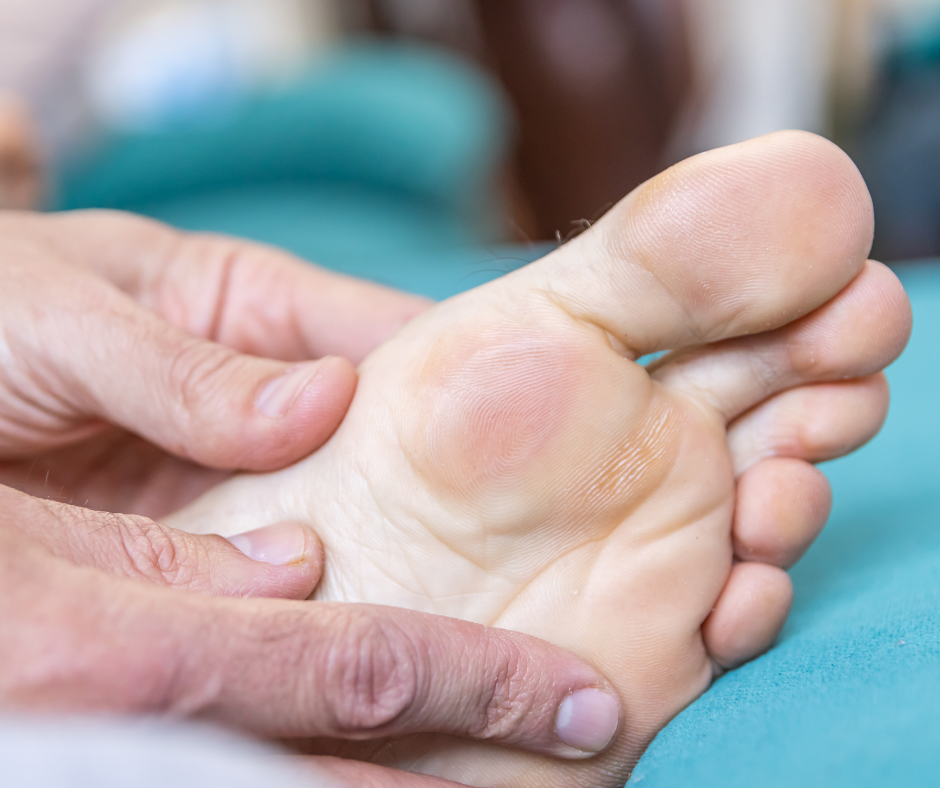
A blister may seem minor, but diabetes can make even a small skin injury harder to detect and heal. Without appropriate care, it may open, become infected, or develop into a deeper wound. During Diabetes Awareness Month, Desert Podiatric Medical Specialists explains why a small blister deserves prompt attention.
Why Are Blisters Easy to Miss?
Diabetes can damage nerves in the feet, causing numbness, tingling, or reduced sensitivity. With neuropathy, you may not feel a shoe rubbing against your heel or toe.
That friction can continue unnoticed, allowing an irritated spot to become a larger blister. If it breaks, bacteria can enter through the damaged skin. Reduced sensation may also keep you from noticing that the injury is worsening.
Why Might Healing Take Longer?
Diabetes may affect circulation, reducing the oxygen and nutrients available to help damaged tissue heal. Elevated blood sugar can also interfere with the body’s ability to fight infection.
Meanwhile, pressure from standing or walking can repeatedly stress the area. A blister may develop into an ulcer, especially when it goes unnoticed or untreated. The absence of pain does not mean the injury is harmless.
What Should You Do if You Find a Blister?
Contact your podiatrist promptly for guidance, even if the blister looks small. Do not intentionally pop it or peel away the covering skin, which helps protect the tissue beneath it.
Gently clean the area, cover it with a clean dressing, and avoid footwear that rubs against it. Do not use harsh chemicals, medicated corn pads, or home remedies.
Watch for:
- Increasing redness, warmth, or swelling
- Drainage or an unpleasant odor
- Dark or discolored skin
- A sore that is not improving
Seek urgent medical care for fever, chills, rapidly spreading redness, or blackened skin. Regular diabetic foot care can help identify problems before they become more difficult to treat.
How Can You Prevent Future Blisters?
Check your feet daily, including the soles, heels, and spaces between your toes. Wear properly fitted shoes and moisture-wicking socks. Avoid walking barefoot, even indoors, to help protect your feet from injuries you might not feel.
If you notice a blister or sore on your foot, contact Desert Podiatric Medical Specialists for an evaluation. We provide comprehensive foot and ankle services to patients throughout Tucson, Oro Valley, and surrounding areas of Pima County, Arizona. Bradley A. Whitaker, D.P.M., FACFAS, Peter C. Merrill, D.P.M., AACFAS, and Zeno Pfau, D.P.M., are here to help you get back on your feet. Call (520) 575-0800 to schedule an appointment.


