What Is a Tailor’s Bunion?
Most people know a bunion as the bump that develops near the big toe. But when a similar bump appears on the opposite side of the foot, near the little toe, it may be a tailor’s bunion, also called a bunionette.
CALL TODAY!

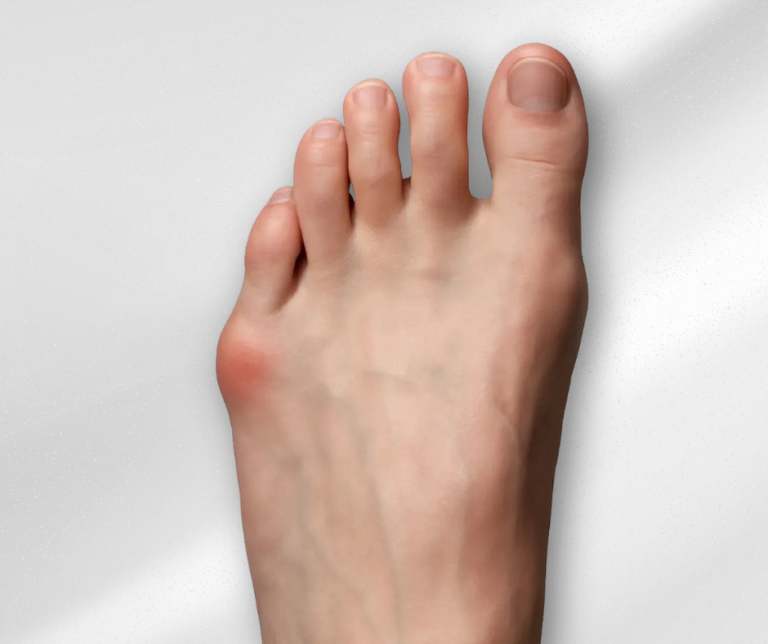
Most people know a bunion as the bump that develops near the big toe. But when a similar bump appears on the opposite side of the foot, near the little toe, it may be a tailor’s bunion, also called a bunionette.
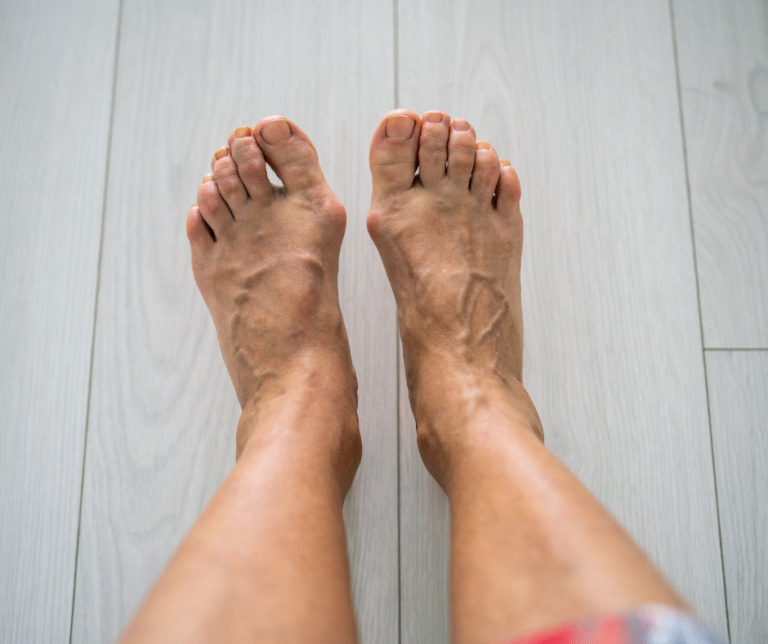
Last week, we at Desert Podiatric Medical Specialists wrote about the safety level of foot surgery for seniors. Today, we’re staying on the topic of foot surgery and tackling one of the geriatric world’s other big (toe) questions: when is bunion surgery, specifically, necessary? If you have been living with a bony bump at the base of your big toe for years and it’s finally starting to bug you, there comes a point where a bunionectomy becomes the best path to a pain-free life.
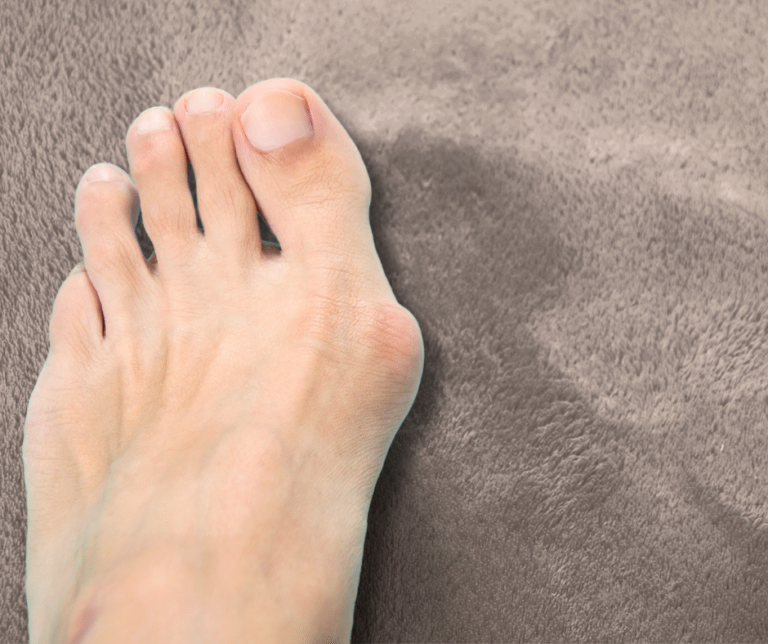
Bunions probably make you picture an older woman who spent years and years squeezed into stilettos. While high heels certainly don’t help, they aren’t the only cause of that bony bump on the side of your foot. The truth is that bunions show up on much younger feet, on athletes, and even on people who have never touched a pair of heels in their lives. We at Desert Podiatric Medical Specialists explain the reasons below.

If your bunion bump is painful, here is a guide for easing that discomfort, from the Desert Podiatric Medical Specialists

The Desert Podiatric Medical Specialists treat toe deformities quite regularly. The conditions are more common than you think. We also inherit our foot structure, so families may share a similar problem. If you have a bunion and you are a parent, be proactive and speak with a podiatrist about your child’s feet.

A bunion is a painful disorder of the big toe that causes the toe to push into the other toes, with a large bump forming on the top or side of the big toe in the process. Bunion complications tend to develop slowly which is why many people avoid dealing with them until they become harder to…

All the wear and tear of daily living adds up over time with a variety of foot and ankle problems becoming increasingly more likely and more severe. Toe deformities like bunions and hammertoes are more common and immune and circulation problems can add a host of other worrisome issues. Fortunately, by making regular visits to your foot doctor you…

More and more people are deciding that the drawbacks of high heeled shoes make them not worth wearing. There is a direct correlation with foot and ankle problems that come along with wearing high heeled shoes regularly. They push your toes together and shift the foot into an unnatural position that shortens the calf muscle…

A bunion toe deformity is one of the most common problems treated by podiatrists. Although hereditary influence plays a major role in bunion development, shoes are often to blame. Wearing tight-fitting shoes like high heels or pointy boots will push the toes together and increase the development of bunions, hammertoes, and other toe and foot…
End of content
End of content