The Full Story of Peripheral Artery Disease and Your Feet
Peripheral Artery Disease is a full-body circulation issue in which the blood flow to your legs and feet is weakened due to plaque buildup. We at Desert Podiatric Medical Specialists figured we’d tell you that, since it is National Peripheral Artery Disease Awareness Month. But what are the foot-related symptoms of PAD? And how does PAD specifically impact the feet? Let’s find out below.
What PAD Does to Your Feet
PAD has a direct effect on your feet and ankles because they are at the end of the circulatory line.
- Foot Symptoms Caused by PAD:
- Claudication: This is the classic symptom: cramping, pain, or tiredness in your leg or calf muscles while walking or exercising, which eases with rest. It’s your muscles crying out for oxygen they’re not getting.
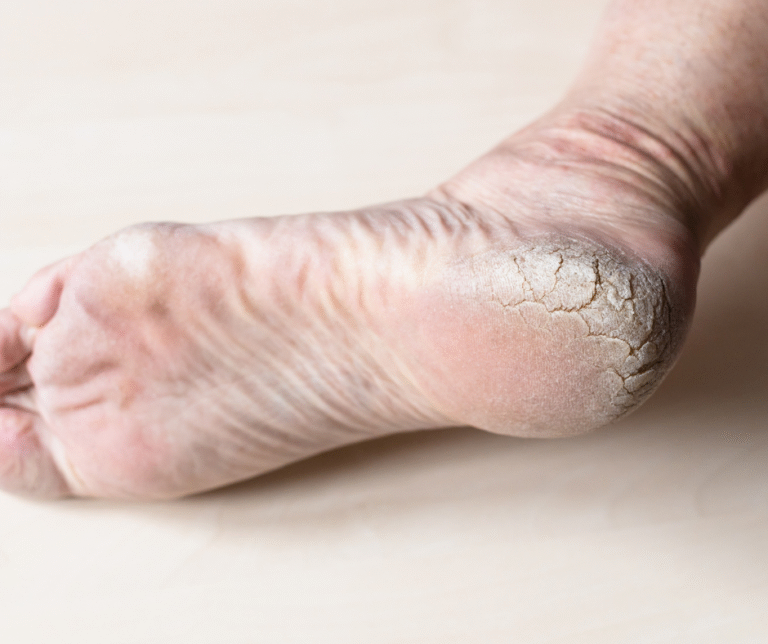
- Cold Feet and Skin Changes: Your feet might feel unusually cold to the touch, or one foot might be colder than the other. The skin can appear shiny, pale, or bluish, especially when elevated.
- Hair Loss and Slow Nail Growth: With reduced blood flow, the hair on your legs and feet may thin or disappear, and your toenails might grow very slowly. These are signs of poor nutrition reaching the extremities.
- Numbness or Weakness: The reduced blood supply can affect nerve function and cause numbness, tingling, or weakness in your feet and ankles.
- Non-Healing Sores: This is one of the most serious complications. Even a tiny cut, scrape, or blister struggles to heal due to a lack of oxygen and nutrients. These can quickly become infected and lead to complications.
- Increased Risk of Infection: Poor circulation weakens your body’s ability to fight off bacteria in the feet, which can make any wound or break in the skin much more prone to infection.
Non-Foot Related Conditions Connected to Peripheral Artery Disease
But PAD isn’t just about your legs. It can cause risk elsewhere, too:
- Heart Attack and Stroke: People with PAD have a significantly higher risk of heart attack and stroke. This is because the underlying atherosclerosis is a systemic disease affecting arteries throughout the body.
- Diabetes: There’s a strong two-way street here. Diabetes is a major cause of PAD because high blood sugar levels damage blood vessels. In turn, PAD in a diabetic patient makes foot complications like ulcers and amputations far more likely.
The PAD and Foot Connection
PAD is also often caused by (not just the cause of) conditions like diabetes, high blood pressure, and high cholesterol, all of which can create foot symptoms ranging from pain to life-threatening infections. It’s all connected, and your feet are always there to send crucial messages. Listening to them and getting regular podiatric check-ups can be a literal lifesaver.
If you’re experiencing foot pain, discomfort, or changes in how you walk, come see the expert team at Desert Podiatric Medical Specialists. With locations in Tucson and Oro Valley areas of Pima County, Arizona, Bradley A. Whitaker, D.P.M., FACFAS, Peter C. Merrill, D.P.M., AACFAS, and Zeno Pfau, D.P.M., are here for you. Call us at (520) 575-0800 or contact us online!